To João and Mariluz
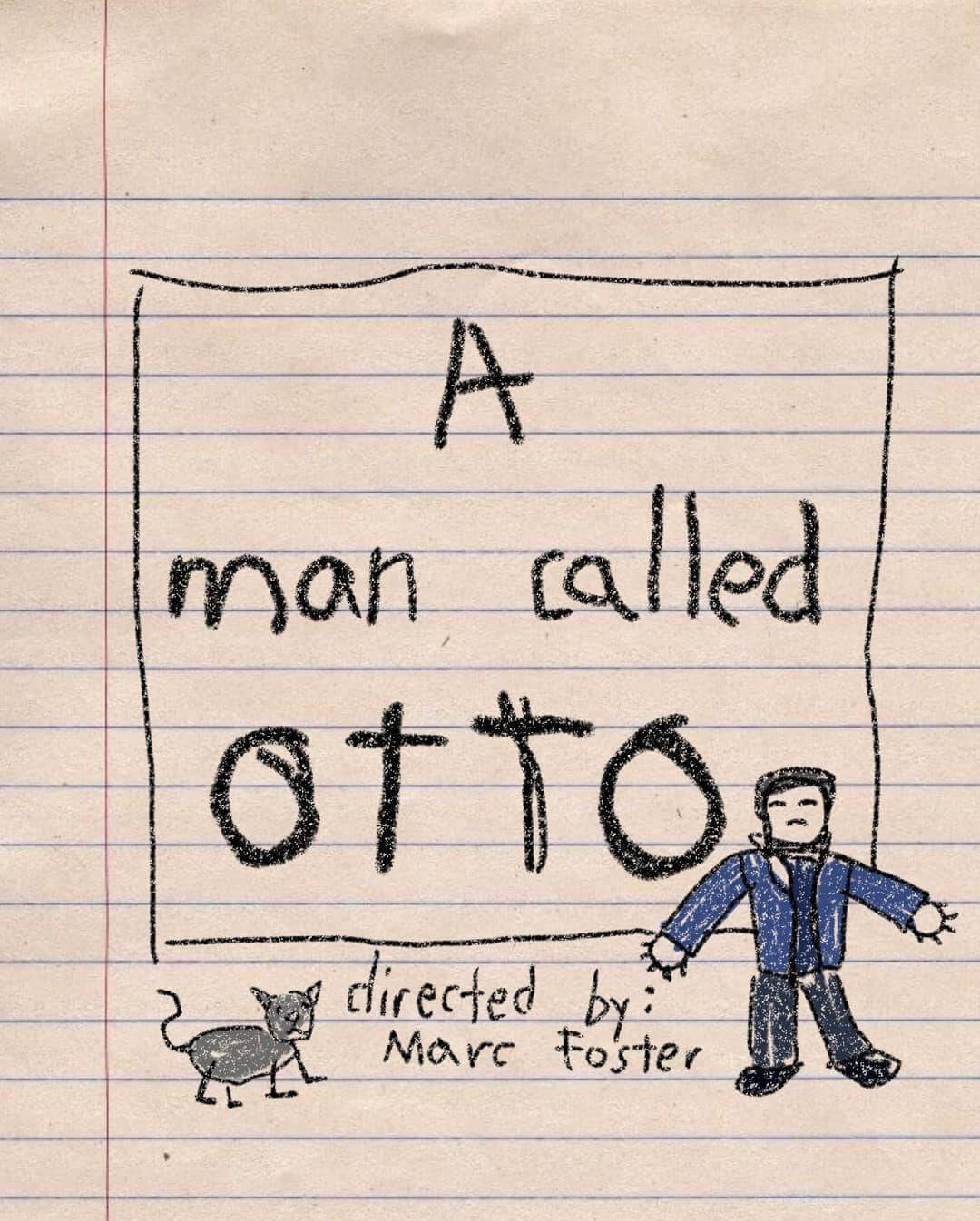
In the movie “A Man Called Otto”, at his funeral he asks for a simple burial, one that matters to those who think Otto “pull my weight”, “pulled his weight”, was useful in his life. (The film is A Man Called Otto. In a bad translation, it was titled “The Worst Neighbor in the World” in Brazil).
For me in particular, a moving film.
As I’ve been researching oxytocin and dopamine molecules recently, from the perspective of oxytocin and dopamine, I would say the film is moving with its oxytocinergic moments, in a world often more dopaminergic than oxytocinergic.
I will have to explain this last paragraph to then be able to move on to further conclusions.
The film has beautiful “oxytocinergic” moments. Moments that make us say “Ohhh!”, or “Awe”, in English.
Nature is a great source of “Ohhh”, but there is an even more potent source of “Ohhh”: human nature. More specifically, those YouTube videos that show people in “heroic” acts (there are infinite types: with more or less action, infinite).
Otto is moving with his beautiful heroic acts. At 43 minutes, the first dinner with Sonya. The love between Otto and Sonya is oxytocinergic, especially after the initial phase of infatuation which is usually dopaminergic.
Love is oxytocinergic.
A father taking care of a child with “oxytocinergic” patience - because he could be doing a thousand other things: making money, meeting women, drinking, playing, but no. Someone helping an old lady also stops everything, for nothing, except for the oxytocinergy of the moment. (Etc).
How was Otto useful? For whom, and how, did he “pull his weight” in his life?
Now I can move on to further analysis.
Otto was useful to people in a more oxytocinergic way. Oxytocinergy happens more easily through proximity. By knowing the names of the people you help.
It would be more “dopaminergic” to create laws or things that solve problems for “all people in the world” (beautiful too), but oxytocinergy usually requires solving the small problem of João, Mariluz, Abreu. (And more: helping without being exploited, because oxytocin also detects when Abreu wasn’t really needing help, was just comfortable, but that’s another topic. “The Moral Molecule" explains).
“Dopamine: the molecule of desire” argues that oxytocin is the molecule of immediate satisfaction, and that dopamine never delivers the satisfaction it always promises.
The film “A Man Called Otto” permanently criticizes today’s world, compared to the world of the time when Otto was younger.
From the perspective of molecules, I get the impression that the film sees dopaminergic relationships advancing over oxytocinergic relationships in today’s world, while there would be less incentive for dopaminergic relationships and more incentive for oxytocinergic relationships when Otto was younger.
But this view of mine has two major potential flaws: first, it may just be a projection of how I see the world, or want to see it; and, second, it may also be that only Otto’s old age doesn’t conform to new things, but for the young people of each era, everything would be fine and normal.
So there’s only a small crack left for this thesis of mine to connect with reality and be a good thesis.
I’m going to have to assume the thesis is true from here on. Even if the chances of it being correct are low. For sport, let's assume my thesis is reasonably correct from here on.
(If my thesis is correct) Otto had oxytocinergic relationships through very personal connections. In his work, with his neighbors, his love for Sonya, even with the cat.
Now I add a human need: in general we need to work to be in society, at least for a good part of adult life.
While working was opening a bakery where the neighborhood neighbors knew you by name, working was quite oxytocinergic.
Look around your street. In your neighborhood. You might know the “Joãos” and “Mariluzes” who help you with bread, vegetables, printing something, having a coffee. They might also know you.
Unless it's a “McDonald's”, or a “Walmart”, or another huge chain. In this case, the most you’ll know is the manager, the employee, who may or may not be from the neighborhood. The service may be less oxytocinergic, with the employee having to follow protocols or there being a lot of turnover if the job is unpleasant.
But it gets worse: if you live in one of the megalopolises - London, Tokyo, São Paulo -, it’s possible that to live on the ground that looks like “hot lava” (alluding to the children’s game “the floor is lava”, where no one can step on the ground) everyone needs to work on “great causes” with huge salaries. After all, to live near the large glass towers you need to earn very well and, since money is just a measure of work done, you need “great jobs” for great money.
These “great jobs”, here is my argument, are more dopaminergic and, therefore, less or almost not at all oxytocinergic. “Dopamine: the molecule of desire” shows that dopamine scares away oxytocin, and vice-versa, which is why it’s difficult to have both flowing together, always.
Was Otto right, then, in complaining about people becoming more dopaminergic in his old age?
For example: in the film, instead of saving an old man who falls onto train tracks, the vast majority of people film the fallen man.
The Anxious Generation shows that wanting likes and being obsessed with social media is highly dopaminergic. Addictive. When people film the fallen man, they comment “look, a fallen man,” already anticipating how many views they will receive in the future by displaying the footage on their social media. They were in dopaminergic mode, guided by dopamine. In opposition to the extremely oxytocinergic act of saving an old man on the tracks before the train arrives.
Now let’s move on to the more practical conclusions, which I love to have, despite the great abstraction that precedes them.
The world may indeed be pushing us towards more dopaminergic relationships.
If this is true, the more oxytocinergic relationships will be simultaneously pushed away, as dopamine and oxytocin are more opposing molecules than friendly ones.
Thus, instead of training our children to help our neighborhood - our tribe -, for example with local or not too distant commerce, we may be pushed to train our children for complex abstractions, which can save the world, with grandiose jobs, in the area of finance, physics, chemistry, saving less the Joãos and Mariluzes whom we (still) know by name, and more “all humans”, “an entire country”.
Very much like dopamine. Very much what scares away oxytocin.
This is one of my first posts about oxytocin, dopamine, the job market, our life.
I know I have some more important things to conclude. But I need to write in parts. And sleep. Let the ideas settle. Feel.
Thank you “João and Mariluz” for your patience in still reading texts that are not scrolled down in a brief moment, with just one finger.
Responses